
CEO Statement from 76 Nordic Businesses
Audur Gudmundsdóttir • 27. september 2024
This statement was first launched at UN Private Sector Forum in New York on 18 September 2023. More CEOs from Nordic companies have joined the statement to be relaunched in Dubai during COP28.
CEO Statement from Nordic Businesses to stand together globally with high ambitions for a just and green transition to a net-zero future:
As representatives of Nordic companies driven by high sustainability ambitions, operating globally across various sectors, we take UN Secretary-General Guterres’ call for ambitious and credible commitments and clear and transparent plans and pledges to “rescue the SDGs” very seriously. Therefore, we stand united, resolute in our determination to take even bolder and measurable steps for a more sustainable and just future and towards combating the climate crisis, reaching our net-zero targets, and upholding the principles of the Paris Agreement.
Reaffirming our commitments to a sustainable future
We reaffirm our strong support for the UN Global Compact’s Ten Principles and the Sustainable Development Goals.
Much action has been taken since the SDGs were formally adopted in 2015, but we must realize that we are already halfway towards 2030. Now is the time to not only reaffirm our commitment to the SDGs but also to take measurable steps to increase momentum.
A cornerstone of reaching the SDGs is ensuring a green and just transition to reach net-zero global emissions before 2050. We make a commitment to help reach that overarching goal by setting net-zero targets through the Science Based Targets initiative (SBTi). The target requires our businesses to cut emissions in line with the Paris Agreement’s goal to keep the global temperature rise below 1.5 degrees Celsius and reach organization-wide net-zero targets before 2050.
We acknowledge that a net-zero target calls for a comprehensive business transformation in our own operations and our supply chains. That transformation entails investments in renewable energy, strong supplier collaboration and engagement, embedding circular principles in product designs, relentless efforts to drive energy efficiency, and many other important objectives. It also entails a constant focus on reducing any negative effects of this transformation on our workforces and other important stakeholders.
To meet our net-zero targets and help safeguard the future of humanity and our planet, we commit to:
At the heart of our climate actions lies a commitment to putting people and planet first, ensuring that the transition is just, benefits all, and leaves no one behind. Our support for a just transition is rooted in the principle of responsible business conduct as set out in the Ten Principles of the UN Global Compact rooted in UN declarations. Acknowledging that the transition to a fossil-free economy may disproportionately harm workers, communities, or vulnerable populations, we are committed to embedding principles such as social dialogue, labour rights, supplier engagement, decent employment, and proper due diligence processes in our own operations and value chains through focused policies and strategies.
With the above actions and our individual plans, we embrace the call for accelerated action and heightened accountability. By engaging in this collective effort, we seek to inspire others to join us on this transformative journey. Only together, in strong public-private partnerships and cross-sector coalitions, can we build a more just, inclusive, and sustainable world. Therefore, we call on companies and governments worldwide to incentivize the transition to green energy, adding capacity for green fuels and setting measurable, transparent phaseout timelines for fossil fuels.
Recommendations from pioneering Nordic companies on how governments across the world can enable a faster green business transformation include:
Acceleration of investments in green and energy-efficient solutions at scale; first, setting short and medium-term action plans built on climate partnerships; secondly, expanding existing technologies and developing new innovations for a green transition that also tackles environmental and social impacts of source materials and production; and ultimately, supporting infrastructure development to connect new sustainable energy installations to the public grid. Investments in waste infrastructure are also needed to improve access to high-quality secondary materials to drive circularity and the use of recycled materials.
As representatives of Nordic companies driven by high sustainability ambitions, operating globally across various sectors, we take UN Secretary-General Guterres’ call for ambitious and credible commitments and clear and transparent plans and pledges to “rescue the SDGs” very seriously. Therefore, we stand united, resolute in our determination to take even bolder and measurable steps for a more sustainable and just future and towards combating the climate crisis, reaching our net-zero targets, and upholding the principles of the Paris Agreement.
Reaffirming our commitments to a sustainable future
We reaffirm our strong support for the UN Global Compact’s Ten Principles and the Sustainable Development Goals.
Much action has been taken since the SDGs were formally adopted in 2015, but we must realize that we are already halfway towards 2030. Now is the time to not only reaffirm our commitment to the SDGs but also to take measurable steps to increase momentum.
A cornerstone of reaching the SDGs is ensuring a green and just transition to reach net-zero global emissions before 2050. We make a commitment to help reach that overarching goal by setting net-zero targets through the Science Based Targets initiative (SBTi). The target requires our businesses to cut emissions in line with the Paris Agreement’s goal to keep the global temperature rise below 1.5 degrees Celsius and reach organization-wide net-zero targets before 2050.
We acknowledge that a net-zero target calls for a comprehensive business transformation in our own operations and our supply chains. That transformation entails investments in renewable energy, strong supplier collaboration and engagement, embedding circular principles in product designs, relentless efforts to drive energy efficiency, and many other important objectives. It also entails a constant focus on reducing any negative effects of this transformation on our workforces and other important stakeholders.
To meet our net-zero targets and help safeguard the future of humanity and our planet, we commit to:
- Set public energy transition plans and specific, measurable targets for renewable energy and phasing out fossil fuels.
- Increase our accountability and transparency by annually disclosing our greenhouse gas data, net-zero targets, and the plans for, and progress towards, meeting those targets, and other relevant information against our baseline along with comparable data to enable effective tracking of progress toward our net-zero targets.
- Restrict our use of carbon credits only to be complementary to actions to implement our long-term science-based targets or an option for neutralizing residual emissions at the net-zero target date.
- Lobby and advocate for positive climate action, with public disclosure of our policies, activities, and affiliations.
- Mobilize investments in sustainable projects and green initiatives.
- Explain how we contribute to a just transition in our transition plans to deliver a net-zero and climate-resilient economy in a way that delivers fairness and tackles inequality and injustice. These transition plans must consider and address the broader social consequences and impacts of mitigation actions, including on race, gender, and intergenerational equity.
- Annually report on progress on these commitments from COP to COP.
At the heart of our climate actions lies a commitment to putting people and planet first, ensuring that the transition is just, benefits all, and leaves no one behind. Our support for a just transition is rooted in the principle of responsible business conduct as set out in the Ten Principles of the UN Global Compact rooted in UN declarations. Acknowledging that the transition to a fossil-free economy may disproportionately harm workers, communities, or vulnerable populations, we are committed to embedding principles such as social dialogue, labour rights, supplier engagement, decent employment, and proper due diligence processes in our own operations and value chains through focused policies and strategies.
With the above actions and our individual plans, we embrace the call for accelerated action and heightened accountability. By engaging in this collective effort, we seek to inspire others to join us on this transformative journey. Only together, in strong public-private partnerships and cross-sector coalitions, can we build a more just, inclusive, and sustainable world. Therefore, we call on companies and governments worldwide to incentivize the transition to green energy, adding capacity for green fuels and setting measurable, transparent phaseout timelines for fossil fuels.
Recommendations from pioneering Nordic companies on how governments across the world can enable a faster green business transformation include:
Acceleration of investments in green and energy-efficient solutions at scale; first, setting short and medium-term action plans built on climate partnerships; secondly, expanding existing technologies and developing new innovations for a green transition that also tackles environmental and social impacts of source materials and production; and ultimately, supporting infrastructure development to connect new sustainable energy installations to the public grid. Investments in waste infrastructure are also needed to improve access to high-quality secondary materials to drive circularity and the use of recycled materials.
Advocacy efforts for solid regulatory frameworks that encourage green investments and ensure that frontrunners are not penalized. It is critical to remove the bureaucracy and continue implementing fast-track permitting processes that enable sustainable supply chains and new business models and incentivize the transition to fossil-free societies in a just and fair manner. Furthermore, market-based measures consisting of a greenhouse gas price on fuels are vital to close the competition gap between new, green fuels and fossil fuels.
Support for companies, in particular small and medium-sized enterprises, is needed to encourage them to take action in partnerships and set ambitious sustainability targets. As global companies, we rely on our suppliers to provide solutions and act within their sectors. The public sector likewise plays a key role by implementing ambitious green public procurement policies, including for construction materials.
Access to green finance is key to bolstering the energy transition. We call on governments globally to continue to explore ways to ensure public and private finance is used to back the transition to a sustainable and resilient future for all. There is an urgent need for support in financing new business models, particularly during the current initial phases of the transformation to disincentive the use of fossil fuels. Private and Public Financial Institutions have a key role in driving mission-oriented innovation and change. Focus is needed on ensuring a substantial and rapid scale-up of renewable energy production all over the world, including in emerging markets and developing countries. Government funds can be used as catalytic capital in collaboration with the private sector to finance the development of tomorrow’s green technologies.
A strong, continued partnership
As Nordic businesses, we applaud the Nordic Government’s support for the UN SDGs and address them with a renewed spirit of partnership, urging the government to maintain and strengthen the Nordic’s position as a global sustainability pioneer.
With the technology currently at our disposal and growing market demand for sustainable solutions, we acknowledge that we cannot succeed in isolation. To bring about real change, we call upon regulators and policymakers to support our efforts, level the playing field, and incentivize sustainable choices. Momentum is key, and together, we can drive the green transition forward.
Dubai, 2 December 2023
Aasted ApS – Piet Hoffmann Tæstensen, CEO
ACCEDO BROADBAND AB – Michael Lantz, CEO
Ambu – Britt Meelby Jensen, CEO
A.P. Moller – Maersk – Vincent Clerc, CEO
Arion Bank – Benedikt Gíslason, CEO
Arla – Peder Tuborgh, CEO
Atea AS – Ole Petter Saxrud, CEO
Balco Group AB – Camilla Ekdahl, CEO
Bang & Olufsen – Kristian Teär, CEO
Bellagroup A/S – Christian Folden Lund, CEO
Canon Norge AS – Maiken Furre, HR & Corporate Comm. and Marketing Services Director
Carlsberg – Jacob Aarup-Andersen, CEO
Coloplast – Kristian Villumsen, President & CEO
Coor Service Management – AnnaCarin Grandin, President and CEO
COWI – Jens Højgaard Christoffersen, President & Group CEO
CRI – Björk Kristjánsdóttir, CEO
Danish Crown – Jais Valeur, Group CEO
dbramante1928 – Dennis Dress, CEO & Co-Founder
Demant – Søren Nielsen, President & CEO
Devold of Norway – Øystein Vikingsen Fauske, CEO
DLG Group – Kristian Hundebøll, Group CEO
DSB – Flemming Jensen, CEO
DSV – Jens Bjørn Andersen, Group CEO
Duni Group – Robert Dackeskog, CEO
EFLA hf. – Sæmundur Sæmundsson, CEO
Elisa – Veli-Matti Mattila, CEO
Fagerhult Group – Bodil Sonesson, President and CEO
Fiskars Group – Nathalie Ahlström, President and CEO
FLSmidth – Mikko Keto, Group CEO
Foxway – Martin Backman, Group CEO
FSN Capital – Frode Strand-Nielsen, Founder and Chairman
Glamox AS – Astrid Simonsen Joos, CEO
Grundfos – Poul Due Jensen, Group President & CEO
Hexagon AB – Paolo Guglielmini, President and CEO
HMD Global Oy – Jean-Francois Baril, CEO and Chairman
Höegh Autoliners ASA – Andreas Enger, CEO
Íslandsbanki – Jón Guðni Ómarsson, CEO
ISS World Services – Kasper Fangel, CEO
Katapult Ocean – Jonas Skattum Svegaarden, CEO
Klappir green solutions – Jon Agust Thorsteinsson, CEO
Kongsberg Group – Geir Håøy, CEO
KPL – Sverre Thornes, CEO
Koatek A/S – Thomas Gotsæd, CEO
KONE – Henrik Ehrnrooth, President & CEO
Lindström Group – Juha Laurio, President & CEO
Midsona AB – Peter Åsberg, CEO
Nilfisk – Rene Svendsen-Tune, Interim CEO
NKT Caples Group A/S – Claes Westerlind, CEO
Norlys – Niels Duedahl, CEO
Novo Nordisk – Lars Fruergaard Jørgensen, Group President & CEO
Novozymes – Ester Baiget, President & CEO
Pandora – Alexander Lacik, Group President & CEO
Pension Danmark – Torben Möger Pedersen, CEO
Position Green – Joachim Nahem, Executive Chair
Posti Group Corporation – Turkka Kuusisto, President and CEO
Rambøll – Jens-Peter Saul, President & CEO
Reykjavík Energy – Sævar Freyr Þráinsson, CEO
Salling Group – Anders Hagh, President & CEO
Scan Global Logistics A/S – Allan Melgaard, Global CEO
SKF Group – Rickard Gustafson, President and CEO
Slättö – Johan Karlsson, Founder & Managing Partner
Solar A/S – Jens Ellegaard Andersen, CEO
STARK Group – Søren P. Olesen, CEO
TDC NET – Michel Jumeau, CEO
The LEGO Group – Niels B. Christiansen, Group President & CEO
Third Rock Finland Oy – Leo Stranius, CEO
Topsoe – Roeland Baan, President & CEO
TourCompass – Claus Palmgren Jessen, CEO
Uponor Corporation – Michael Rauterkus, President and CEO
VELUX Group – Lars Petersson, CEO
Vestas – Henrik Andersen, Group President & CEO
WindowMaster International A/S – Erik Boyter, CEO
WS Audiology – Eric Bernard, CEO
Ylva – Leea Tolvas, CEO
Ørsted – Mads Nipper, Group President & CEO
Össur hf. – Sveinn Sölvason, President & CEO
Access to green finance is key to bolstering the energy transition. We call on governments globally to continue to explore ways to ensure public and private finance is used to back the transition to a sustainable and resilient future for all. There is an urgent need for support in financing new business models, particularly during the current initial phases of the transformation to disincentive the use of fossil fuels. Private and Public Financial Institutions have a key role in driving mission-oriented innovation and change. Focus is needed on ensuring a substantial and rapid scale-up of renewable energy production all over the world, including in emerging markets and developing countries. Government funds can be used as catalytic capital in collaboration with the private sector to finance the development of tomorrow’s green technologies.
A strong, continued partnership
As Nordic businesses, we applaud the Nordic Government’s support for the UN SDGs and address them with a renewed spirit of partnership, urging the government to maintain and strengthen the Nordic’s position as a global sustainability pioneer.
With the technology currently at our disposal and growing market demand for sustainable solutions, we acknowledge that we cannot succeed in isolation. To bring about real change, we call upon regulators and policymakers to support our efforts, level the playing field, and incentivize sustainable choices. Momentum is key, and together, we can drive the green transition forward.
Dubai, 2 December 2023
Aasted ApS – Piet Hoffmann Tæstensen, CEO
ACCEDO BROADBAND AB – Michael Lantz, CEO
Ambu – Britt Meelby Jensen, CEO
A.P. Moller – Maersk – Vincent Clerc, CEO
Arion Bank – Benedikt Gíslason, CEO
Arla – Peder Tuborgh, CEO
Atea AS – Ole Petter Saxrud, CEO
Balco Group AB – Camilla Ekdahl, CEO
Bang & Olufsen – Kristian Teär, CEO
Bellagroup A/S – Christian Folden Lund, CEO
Canon Norge AS – Maiken Furre, HR & Corporate Comm. and Marketing Services Director
Carlsberg – Jacob Aarup-Andersen, CEO
Coloplast – Kristian Villumsen, President & CEO
Coor Service Management – AnnaCarin Grandin, President and CEO
COWI – Jens Højgaard Christoffersen, President & Group CEO
CRI – Björk Kristjánsdóttir, CEO
Danish Crown – Jais Valeur, Group CEO
dbramante1928 – Dennis Dress, CEO & Co-Founder
Demant – Søren Nielsen, President & CEO
Devold of Norway – Øystein Vikingsen Fauske, CEO
DLG Group – Kristian Hundebøll, Group CEO
DSB – Flemming Jensen, CEO
DSV – Jens Bjørn Andersen, Group CEO
Duni Group – Robert Dackeskog, CEO
EFLA hf. – Sæmundur Sæmundsson, CEO
Elisa – Veli-Matti Mattila, CEO
Fagerhult Group – Bodil Sonesson, President and CEO
Fiskars Group – Nathalie Ahlström, President and CEO
FLSmidth – Mikko Keto, Group CEO
Foxway – Martin Backman, Group CEO
FSN Capital – Frode Strand-Nielsen, Founder and Chairman
Glamox AS – Astrid Simonsen Joos, CEO
Grundfos – Poul Due Jensen, Group President & CEO
Hexagon AB – Paolo Guglielmini, President and CEO
HMD Global Oy – Jean-Francois Baril, CEO and Chairman
Höegh Autoliners ASA – Andreas Enger, CEO
Íslandsbanki – Jón Guðni Ómarsson, CEO
ISS World Services – Kasper Fangel, CEO
Katapult Ocean – Jonas Skattum Svegaarden, CEO
Klappir green solutions – Jon Agust Thorsteinsson, CEO
Kongsberg Group – Geir Håøy, CEO
KPL – Sverre Thornes, CEO
Koatek A/S – Thomas Gotsæd, CEO
KONE – Henrik Ehrnrooth, President & CEO
Lindström Group – Juha Laurio, President & CEO
Midsona AB – Peter Åsberg, CEO
Nilfisk – Rene Svendsen-Tune, Interim CEO
NKT Caples Group A/S – Claes Westerlind, CEO
Norlys – Niels Duedahl, CEO
Novo Nordisk – Lars Fruergaard Jørgensen, Group President & CEO
Novozymes – Ester Baiget, President & CEO
Pandora – Alexander Lacik, Group President & CEO
Pension Danmark – Torben Möger Pedersen, CEO
Position Green – Joachim Nahem, Executive Chair
Posti Group Corporation – Turkka Kuusisto, President and CEO
Rambøll – Jens-Peter Saul, President & CEO
Reykjavík Energy – Sævar Freyr Þráinsson, CEO
Salling Group – Anders Hagh, President & CEO
Scan Global Logistics A/S – Allan Melgaard, Global CEO
SKF Group – Rickard Gustafson, President and CEO
Slättö – Johan Karlsson, Founder & Managing Partner
Solar A/S – Jens Ellegaard Andersen, CEO
STARK Group – Søren P. Olesen, CEO
TDC NET – Michel Jumeau, CEO
The LEGO Group – Niels B. Christiansen, Group President & CEO
Third Rock Finland Oy – Leo Stranius, CEO
Topsoe – Roeland Baan, President & CEO
TourCompass – Claus Palmgren Jessen, CEO
Uponor Corporation – Michael Rauterkus, President and CEO
VELUX Group – Lars Petersson, CEO
Vestas – Henrik Andersen, Group President & CEO
WindowMaster International A/S – Erik Boyter, CEO
WS Audiology – Eric Bernard, CEO
Ylva – Leea Tolvas, CEO
Ørsted – Mads Nipper, Group President & CEO
Össur hf. – Sveinn Sölvason, President & CEO
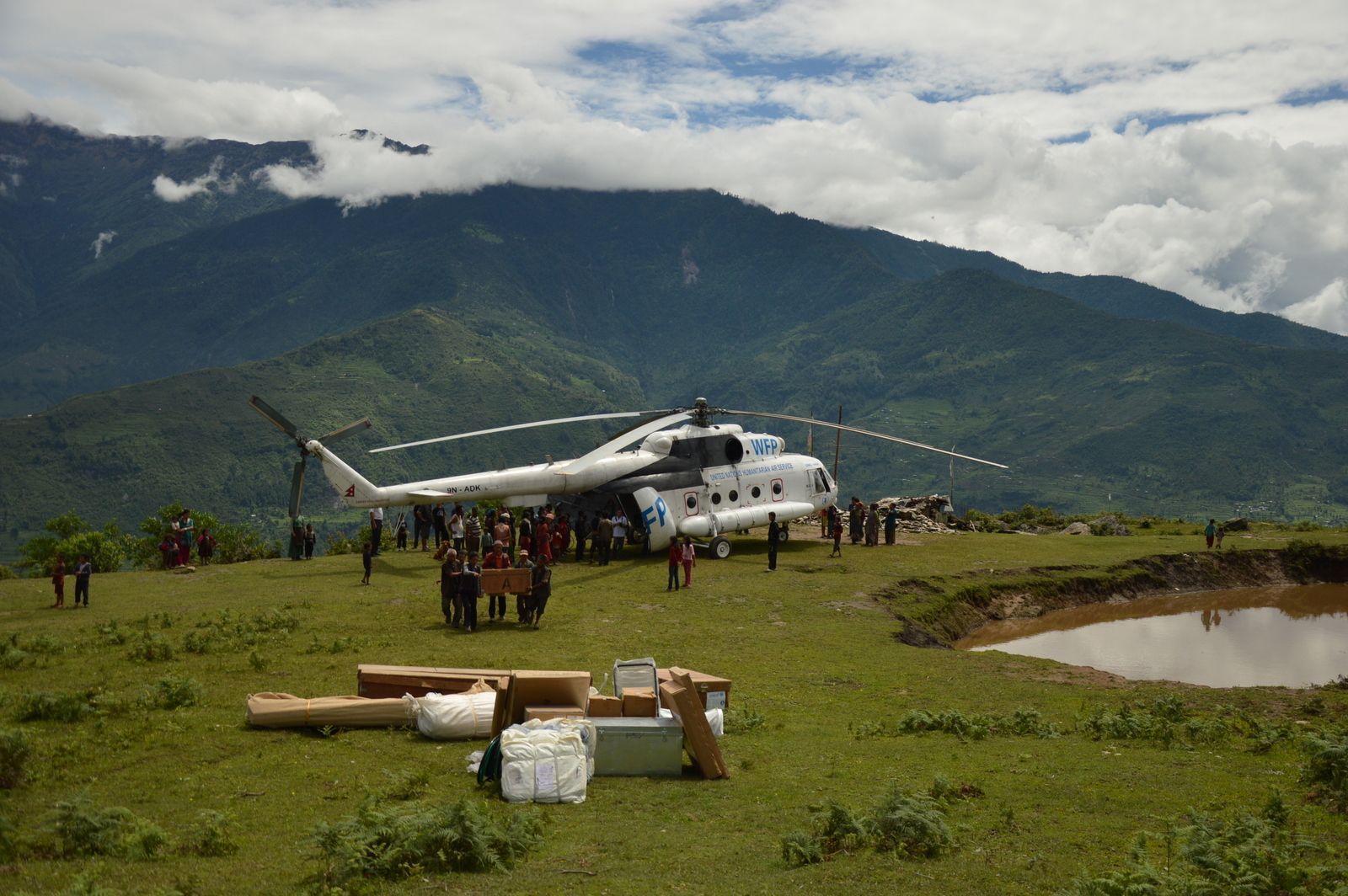
Utanríkisráðuneytið og UN Global Compact á Íslandi bjóða til lokaðs morgunverðarfundar með Rania Dagash-Kamara, aðstoðarframkvæmdastjóra Matvælaáætlunar Sameinuðu þjóðanna (WFP), miðvikudaginn 30. september í Húsi atvinnulífsins. Fundurinn er hugsaður sem gagnvirkt samtal þar sem þátttakendur ræða beint við Rania og aðra fulltrúa WFP um möguleg samstarfstækifæri. WFP eru stærstu mannúðarsamtök í heimi og starfa meðal annars á sviði neyðaraðstoðar, flutninga, nýsköpunar o.fl. Samtökin leggja nú aukna áherslu á samstarf við atvinnulífið og vilja kanna sérstaklega hvernig þekking, lausnir og reynsla íslenskra fyrirtækja gætu nýst í því samhengi. Auður Hrefna Guðmundsdóttir, framkvæmdastjóri UN Global Compact á Íslandi, opnar fundinn. Rania flytur því næst erindi og svo hefjast opnar umræður, þar sem þátttakendur ræða hvar sérstaða fyrirtækja þeirra liggur og hvernig byggja megi upp samstarf sem er hagnýtt, trúverðugt og getur vaxið. Hagnýtar upplýsingar Dagsetning: Miðvikudagurinn 30. september 2026 Tími: Húsið opnar kl. 8:30, fundurinn stendur frá kl. 9 til 10 Staður: Hús atvinnulífsins, Borgartún 35, 105 Reykjavík Fundurinn er eingöngu fyrir boðsgesti og sætafjöldi er takmarkaður. Fyrirtæki sem hafa áhuga á að taka þátt geta haft samband við Auði Hrefnu á audur@globalcompact.is fyrir lok dags föstudagsins 25. september.
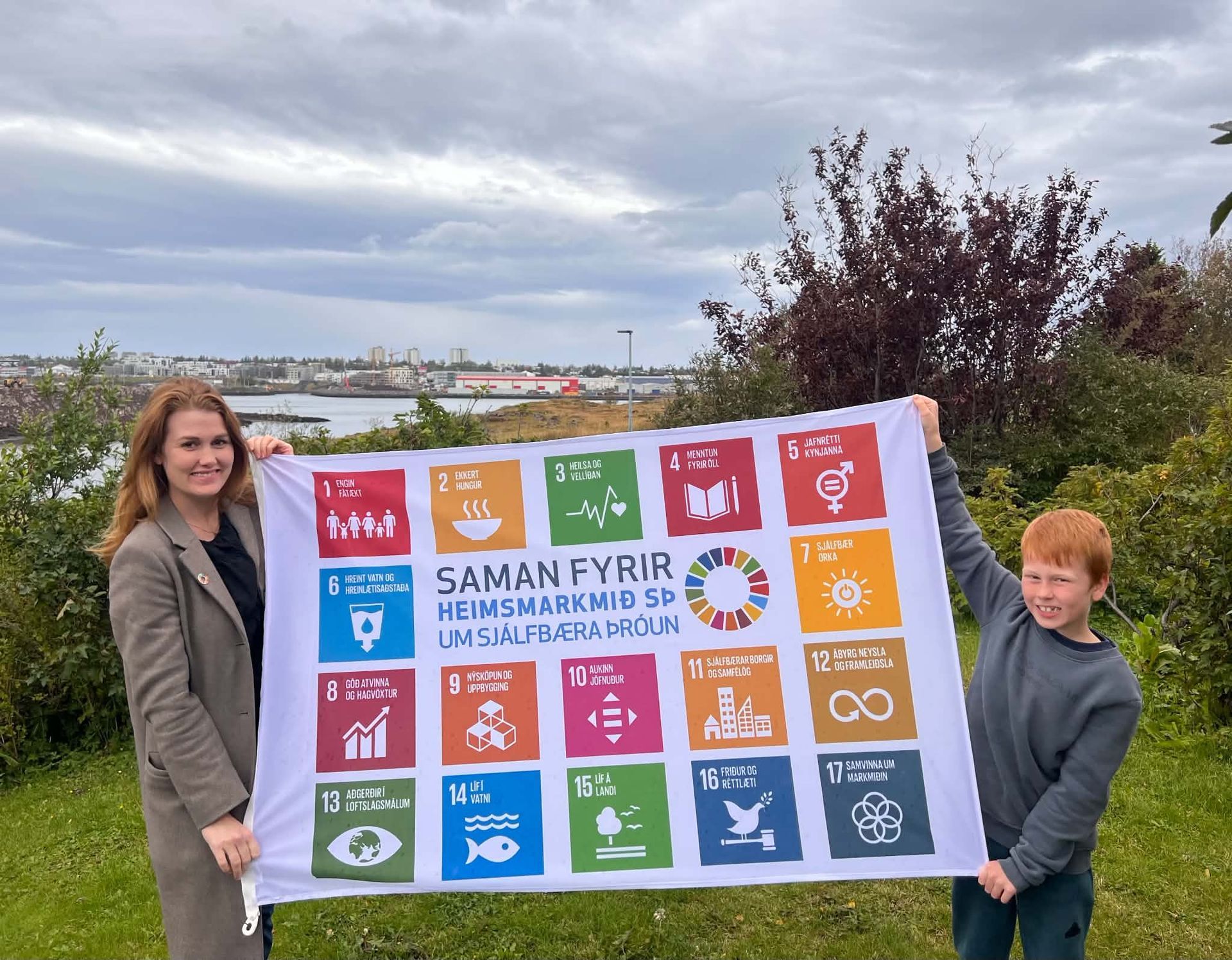
Heimsmarkmiðin kalla á okkur öll - 25. september 2026
Þessu mælum við með á UNGA og Climate Week 2026 Dagana 20.–27. september fer fram allsherjarþing Sameinuðu þjóðanna (UNGA) og Climate Week NYC í New York. Um er að ræða eina stærstu samkomu ársins þar sem stjórnvöld, fyrirtæki og félagasamtök koma saman. Það eru meira en 1000 viðburðir í boði en hér eru þeir viðburðir sem UN Global Compact á Íslandi mælir sérstaklega með. Sunnudagur 20. september Launch to UNGA and Climate Week – Scandinavia House, 17:00–20:00. Samstarfsaðilar: Miltton, norrænu UNGC-netin, ræðismannsskrifstofan, UNGC í Bandaríkjunum og Kanada. Skráning: https://tapahtumat.globalcompact.fi/registration-ungc-miltton-new-sustainability Mánudagur 21. september Skanska & UN Global Compact Nordic Networks Roundtable - Empire State Building 8:00-10:30. Invite only - áhugasamir um þátttöku hafi samband audur@globalcompact.is Solving the Paradox – Danish Event, Hudson Yards. Sýna áhuga á þátttöku: https://mfa-events.dk/partnershipsforthefuture26/climate-finance-summit Miðvikudagur 23. september Towards COP31 Event by the Finnish Pavillion , 12:00–13:30. Skráning: https://tapahtumat.globalcompact.fi/towards-cop31 Circular Innovations & Resilient Futures: Insights From the Arctic, 14:00–17:00. Skráning: https://www.lyyti.fi/reg/Climate-Week-Arctic-Registration Fimmtudagur 24. september Nordic Summit: Resilient Cities – Scandinavia House / Nordic Consulates, 08:30–11:00. Skráning: https://luma.com/gc91v8ib Cold Capitals: Beyond Power – 12:30–14:30. Skráning: https://share-eu1.hsforms.com/16jkhJ-ejRl2V1F1mmn3Pjw2eythf Sauna Diplomacy from Finland: Hot Ideas for a Circular Future , 15:00–17:00. Skráning: https://www.lyyti.fi/reg/Sauna-Diplomacy-Register Nánari upplýsingar um hliðarviðburði United Nations Global Compact á UNGA81: https://events.unglobalcompact.org/sideevents2026

Vefnámskeið UN Global Compact og UNODC – 16. september 2026 G-ið í ESG fær oft minnstu athyglina en heldur samt hinum tveimur uppi. Spillingarvarnir og siðferði eru órjúfanlegur hluti sjálfbærnistarfs og forsenda þess að það standist skoðun. UN Global Compact og Skrifstofa Sameinuðu þjóðanna um fíkniefni og afbrot (UNODC) standa fyrir vefnámskeiði um hvernig fyrirtæki geta fléttað hvort tveggja inn í stjórnarhætti, áhættustýringu og daglegar ákvarðanir – í stað þess að regluvarsla sé afmarkað verkefni á einu borði. Námskeiðið heitir An Integrated Approach: Enhancing Compliance Through a Transformational Governance Lens Námskeiðið byggir á nýrri útgáfu leiðarvísis stofnananna, An Anti-Corruption Ethics and Compliance Programme for Business: A Practical Guide (2. útgáfa, 2026), sem setur nýtt viðmið Sameinuðu þjóðanna um heilindi í rekstri. Meðal umfjöllunarefna : Samþætt nálgun á regluvörslu í stað einangraðrar einingar Breyttar væntingar hagaðila og aukin krafa regluverks Áhættustýring í flóknu rekstrarumhverfi Heilindi sem forsenda sjálfbærni og langtímarekstrarhæfis Á erindi við starfsfólk á sviði lögfræði, regluvörslu, áhættustýringar, innkaupa, innri endurskoðunar og sjálfbærni. Sérstaklega hjá fyrirtækjum með alþjóðlega starfsemi, umfangsmiklar birgjakeðjur eða aðkomu að opinberum innkaupum. Námskeiðið fer fram þann 16. september 2026 , kl. 14:00–15:30 að íslenskum tíma . Tungumál: Enska (þýðing í boði á spænsku, portúgölsku og frönsku) Upptaka: Í boði fyrir skráða Skráning: info.unglobalcompact.org/anticorruption-s1 Leiðarvísirinn í heild sinni: unglobalcompact.org/library/6344
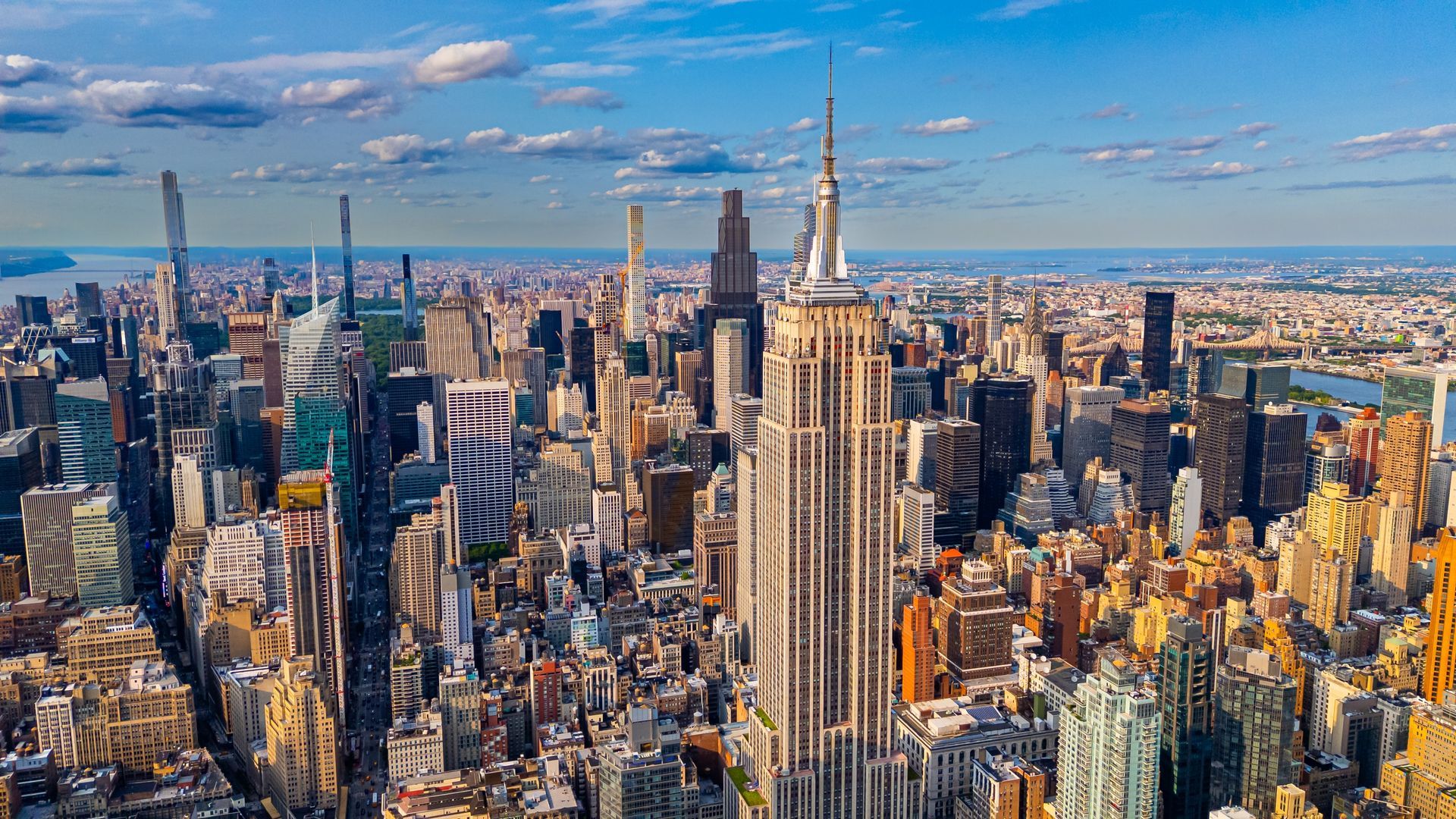
Skanska Group og norrænu net UN Global Compact bjóða til lokaðs forstjórahringborðs á Climate Week NYC, sem fer fram kl. 8:30–10:30 (morgunverður og tengslamyndun frá kl. 8:00) mánudaginn 21. september , í Empire State byggingunni. Anders Danielsson, forstjóri Skanska Group, er gestgjafi þessa lokaða samtals — „From Uncertainty to Investment" — þar sem úrvalshópur forstjóra og viðskiptaleiðtoga úr raunhagkerfinu og fjármálageiranum ræðir samkeppnishæfni og viðnámsþol, umbreytingu orku- og innviðakerfa, og hvernig sjálfbærnimarkmið verða að viðskiptalegum veruleika. Fundurinn fer fram undir Chatham House reglunni og er hugsaður fyrir hreinskilnar og framsýnar umræður leiðtoga sem móta næsta skeið sjálfbærs vaxtar. Þátttaka er takmörkuð til að tryggja markvissar umræður. Viðburðurinn er eingöngu fyrir boðsgesti. Nánari upplýsingar um hliðarviðburði United Nations Global Compact á UNGA81: https://events.unglobalcompact.org/sideevents2026 Hafið samband við audur@globalcompact.is fyrir nánari upplýsingar.

UN Global Compact Network á Norðurlöndunum standa fyrir opinni vefnámskeiðaröð um fyrirtæki og mannréttindi, í tilefni af 15 ára afmæli leiðbeinandi meginreglna Sameinuðu þjóðanna um fyrirtæki og mannréttindi (UNGP). Þrátt fyrir 15 ár af meginreglunum glíma mörg fyrirtæki enn við að koma þeim í framkvæmd og er það viðfangsefni raðarinnar. Næsti þáttur: Decent Work and Stakeholder Engagement Hvernig geta fyrirtæki virkjað starfsfólk og hagaðilasamráð þannig að það byggi upp traust og leiði til betri ákvarðana? Fjallað verður m.a. um þátttöku starfsfólks og hagaðila, inngildingu sem hluta af mannréttindaáreiðanleikakönnun (human rights due diligence) og hagnýtar áskoranir og góðar starfsvenjur í norrænu samhengi. Námskeiðið fer fram á Zoom þann 10. september 2026, kl. 11:00–12:15 að íslenskum tíma. Þátttaka er gjaldfrjáls og upptaka aðgengileg eftir að námskeiði líkur fyrir skráða. Skráning: globalcompact.fi/human-rights-talks Dagskrá raðarinnar í heild: globalcompact.se/business-human-rights-talks Framundan í röðinni: 19. nóvember – áhætta og tækifæri gervigreindar út frá mannréttindum.
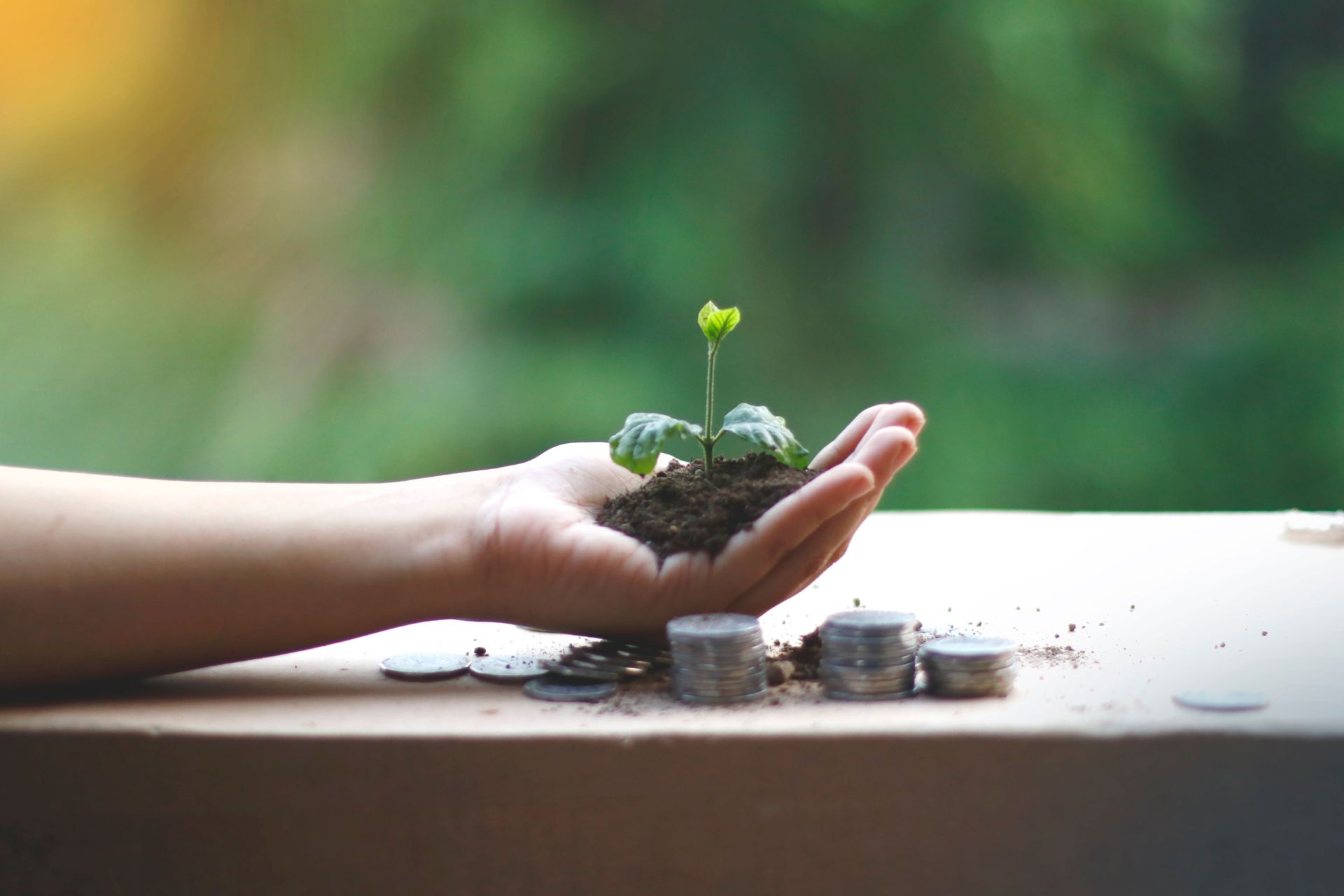
Námskeiðið byggir á nýjum leiðarvísi frá CFO Coalition for the SDGs, Business-Led Blended Finance Playbook, sem sýnir hvernig fyrirtæki geta farið frá því að vera óvirkir þiggjendur fjármögnunar yfir í að hanna, móta og leiða eigin fjármögnunarlausnir.
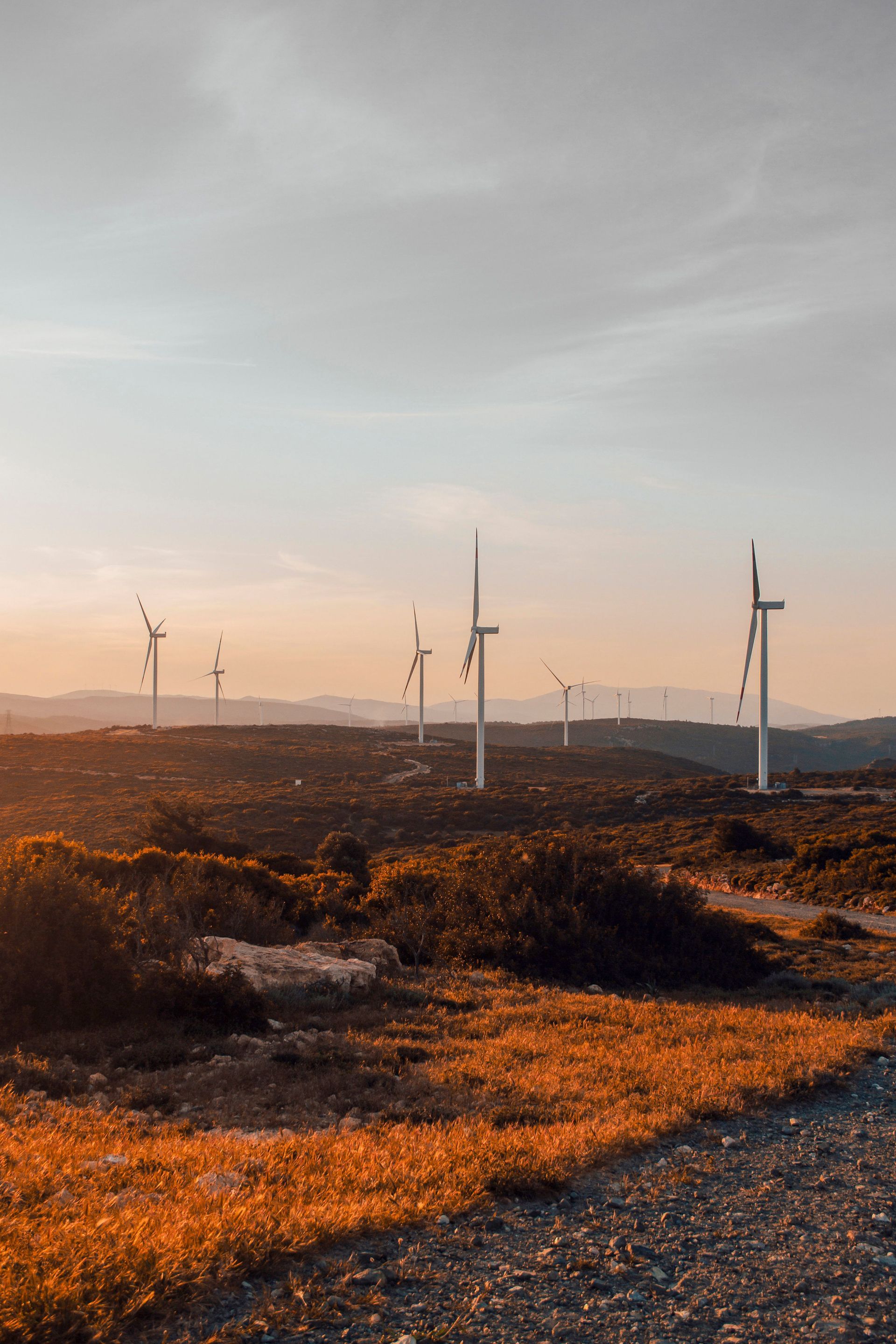
Er fyrirtækið þitt með samþykkt SBTi-markmið eða stefnir það á kolefnishlutleysi á næstu árum?
Science Based Targets initiative (SBTi) hefur gefið út Corporate Net-Zero Standard V2, sem felur í sér skýrari kröfur og aukna áherslu á losun í virðiskeðjunni (Scope 3) – þann losunarflokk sem vegur þyngst hjá flestum fyrir

Auður Hrefna Guðmundsdóttir, framkvæmdastjóri UN Global Compact Ísland, hefur lokið Claude AI námskeiðinu á íslensku og hlotið staðfestingu á AI-læsi (Certificate of Completion — Staðfesting á AI-læsi með Claude). Námskeiðið er liður í markvissri uppbyggingu félagsins, þar sem áhersla er lögð á að nýta gervigreind af þekkingu, ábyrgð og með skýrum ramma. Nýtt félag byggt á ábyrgum grunni UN Global Compact Ísland er ungt félag í örum vexti. Stjórn og framkvæmdastjóri hafa lagt áherslu á að byggja starfsemina upp í anda þeirra tíu meginmarkmiða sem félagið stendur fyrir á sviði mannréttinda, vinnumarkaðsmála, umhverfisverndar og baráttu gegn spillingu. Þetta á ekki síður við um nýjar tæknilausnir. „Þegar verið er að byggja upp nýtt félag skiptir máli að gera það rétt frá byrjun,“ segir Auður Hrefna. „Gervigreindin er komin til að vera og hún getur hjálpað litlu skrifstofunni okkar að veita þátttakendum okkar betri þjónustu og ná sínum markmiðum. En þá þarf að nota hana rétt.” Hvers vegna AI-læsi skiptir máli United Nations Global Compact hefur á alþjóðavísu lagt áherslu á að gervigreind sé bæði tækifæri og áhætta fyrir sjálfbæran rekstur. Í greiningu samtakanna um gervigreind og Heimsmarkmiðin kemur fram að gervigreind hafi möguleika á að styðja við mannréttindi, bæta vinnuaðstæður, vernda umhverfið og vinna gegn spillingu en að fullnýting þeirra möguleika krefjist meðvitaðrar hönnunar, ábyrgrar stjórnunar og þátttöku breiðs hóps. Skýrsla UN Global Compact og Accenture, Generative AI for the Global Goals , tekur í sama streng og hvetur til ábyrgrar þróunar gervigreindar þar sem nýsköpun er í jafnvægi við inngildingu, sjálfbærni og sanngirni. Fyrir lítið félag eins og UNGC Ísland þýðir þetta í verki að starfsfólk skilji hvað gervigreindin getur og hvað hún getur ekki. Þannig nýtist hún best þar sem hún léttir undir í verkefnum, yfirferð, þýðingum, undirbúningi fræðsluefnis og samantektum svo tími starfsfólks fari frekar í það sem skiptir mestu máli sem eru samskipti við þátttökufyrirtæki, að byggja upp tengsl og efla samstarf. Gervigreindin kemur ekki í staðinn fyrir fólk Hjá UN Global Compact Ísland er gervigreindin nýtt sem aðstoðartæki í daglegum störfum m.a. til undirbúnings fræðslu- og markaðsefnis og greininga en aldrei til að taka yfir mannlegt mat eða samskipti við fólk. „Gervigreindin getur hjálpað mér að semja texta og bæta góðar hugmyndir, en hún getur ekki skapað þessa dýnamík sem verður til í samtali milli okkar og þátttakenda, þar er einlægnin, hluttekningin og augnablikin þegar tveir fá saman góða hugmynd um hvernig takast má á við áskoranir og samgleðjast þegar vel gengur.“ segir Auður Hrefna. „Hún getur ekki lesið milli línanna í samtali, hún ber ekki ábyrgð og hún getur ekki staðið fyrir gildum félagsins. Það gerum við.“ Brúin milli alþjóðlegra viðmiða og íslensks atvinnulífs UN Global Compact Ísland mun halda áfram að gera gervigreindina að umræðuefni og styðja við fyrirtæki á þessari vegferð á næstu misserum, meðal annars með viðburðum og fræðslu. Þátttökufyrirtæki hafa nú þegar aðgang að námskeiðunum AI and Human Rights 101 og Responsible Investing into AI , sem gefa fyrirtækjum verkfæri til ábyrgrar þróunar og innleiðingar gervigreindar. „Við hvetjum þátttökufyrirtækin okkar til að nýta sér þessa fræðslu og vera leiðandi í samtalinu um ábyrga gervigreind, því hvernig við nýtum hana skiptir samfélagið allt máli. Hvað varðar félagið á Íslandi þá ætlum við að sýna í verki að það er hægt að byggja upp lítið félag með nútíma tækni án þess að gefa afslátt af gildunum okkar,“ segir Auður Hrefna. Námskeið UN Global Compact um ábyrga þróun og innleiðingu á gervigreind má finna hér: https://unglobalcompact.org/academy/responsible-ai-navigator
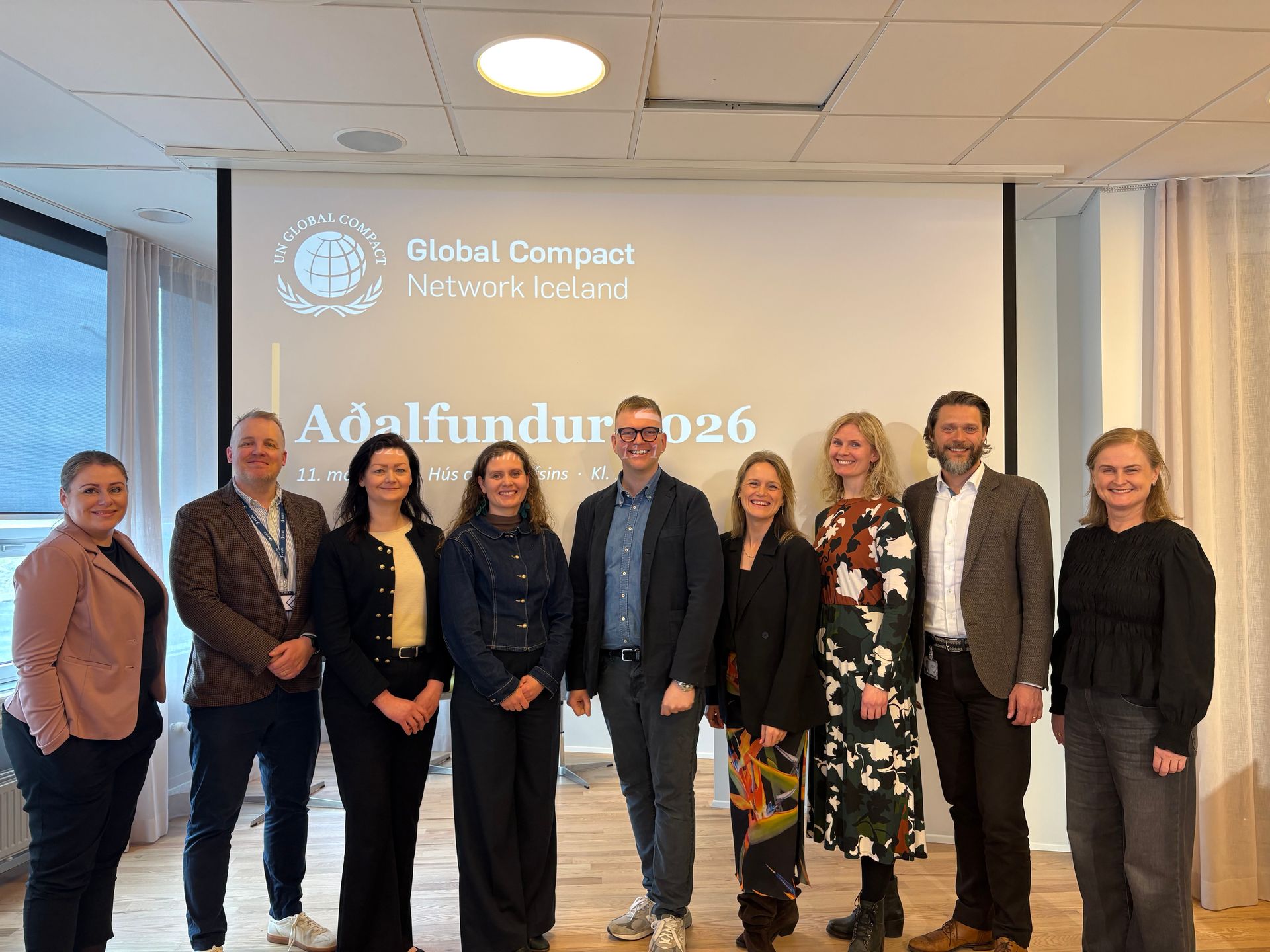
Aðalfundur UN Global Compact á Íslandi fór fram í síðustu viku og var vel heppnaður. Á fundinum var farið yfir starfsemi og rekstur síðasta árs og þau spennandi verkefni sem framundan eru hjá félaginu á Íslandi. Við þökkum þeim sem lögðu leið sína í Hús atvinnulífsins til að taka þátt í fundinum innilega fyrir komuna. Um er að ræða fyrsta aðalfund félagsins frá stofnfundi þess en hann fór fram fyrir rúmu ári. Á þeim fundi var fyrsta stjórn félagsins kosin en hún hefur unnið öflugt starf síðastliðið ár og hefur starfsemin eflst eftir því. Þær Hjördís Lára Hlíðberg, Kristín Þöll Skagfjörð Sigurðardóttir og Þóra Jónsdóttir, sem hafa setið í stjórn síðastliðið ár ljúka nú stjórnarsetu og fá sérstakar þakki fyrir öflugt starf í þágu félagsins og frábært samstarf. Þá voru þrír nýir aðilar kosnir inn í stjórn félagsins á aðalfundinum í síðustu viku en þau Birta Kristín Helgadóttir (Business Iceland), Gunnlaugur Bjarki Snædal (Isavia) og Stefán Sveinbjörnsson (Festi hf.) taka nú sæti í stjórn. Við hlökkum mikið til að vinna með þeim og nýrri stjórn að því að efla starf okkar í þágu sjálfbærs atvinnulífs enn frekar.